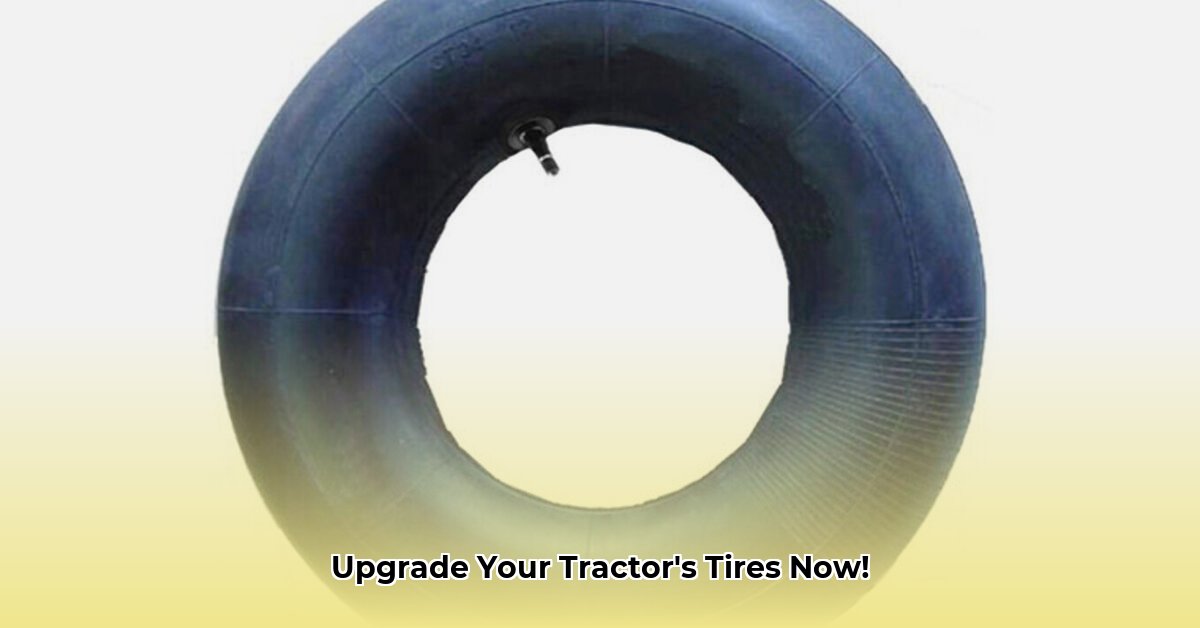
Tractor Inner Tubes: Maximizing Performance and Sustainability
Maintaining peak tractor performance is crucial for efficient farming. A seemingly minor component, the tractor inner tube, significantly impacts operational efficiency and overall sustainability. This article explores optimal inner tube selection, maintenance, and the broader implications for environmentally conscious agriculture. Downtime translates to lost revenue and frustration; choosing the right tube minimizes these issues. For more information on tractor tires, check out this helpful resource: tractor tire guide.
Understanding Tractor Inner Tube Materials
Butyl rubber remains the industry standard for tractor inner tubes due to its superior air retention and resistance to punctures and tears. This translates to less frequent replacements, reducing waste and downtime. However, the environmental impact of butyl rubber production remains a concern. The extraction and processing of raw materials can have significant environmental consequences. Fortunately, research and development are actively pursuing more sustainable alternatives, such as bio-based rubbers and recycled rubber blends. These offer a promising path to lowering environmental impact while maintaining high performance. "The shift toward bio-based rubbers holds immense potential for sustainable agriculture," says Dr. Anya Sharma, Materials Science Engineer at AgriTech Innovations.
Selecting High-Performing Tractor Inner Tubes
Choosing the right inner tube involves considering several key performance factors:
Burst Pressure: This represents the maximum pressure the tube can withstand before failure. Higher burst pressure signifies greater durability and resilience against unexpected pressure surges.
Air Retention: A tube's ability to retain air over time is critical. Poor air retention leads to frequent inflation, wasting time and potentially causing damage. Look for tubes with superior air-retention capabilities.
Puncture Resistance: The inherent strength of the tube's material determines its resistance to punctures from sharp objects encountered during field work. Thorough material selection and manufacturing processes enhance this crucial property.
Abrasion Resistance: Continuous friction and wear degrade inner tubes. Superior abrasion resistance extends the tube's lifespan, reducing replacement frequency and waste.
Currently, a standardized testing methodology for comparing various brands of tractor inner tubes is lacking. This inhibits farmers from making informed choices based on objective data. "Standardized testing protocols are urgently needed to enhance transparency and allow for better comparison of available inner tube options," notes Dr. David Miller, Agricultural Engineer at the National Farm Institute.
Environmental Considerations: Towards Sustainable Inner Tubes
Sustainable agriculture demands consideration of the entire production lifecycle. Unfortunately, information regarding the environmental impact of tractor inner tube manufacturing remains limited. Manufacturers need to adopt greater transparency by providing comprehensive Life Cycle Assessments (LCAs) to fully assess the environmental impact from material sourcing to disposal.
The development of sustainable alternatives is underway. The utilization of recycled rubber offers a significant step toward reducing waste. Furthermore, bio-based rubbers derived from renewable resources present a compelling alternative with reduced environmental footprints, emphasizing sustainability without compromising on performance.
The Future of Sustainable Tractor Inner Tubes
The future of tractor inner tubes will likely be driven by innovation in materials and manufacturing:
Novel Materials: Expect to see a wider availability of bio-based and recycled rubber inner tubes entering the market as research progresses.
Improved Manufacturing Processes: The focus will shift towards optimizing manufacturing processes to minimize waste and energy consumption.
Effective Recycling Solutions: Establishing robust recycling programs for end-of-life inner tubes is crucial for reducing landfill waste.
Consumer demand, government regulations, and evolving industry standards will shape this transition. Collaboration between farmers, manufacturers, and policymakers remains essential to creating a sustainable and efficient supply chain.
Actionable Steps for a Sustainable Future
The following outlines short-term and long-term strategies for enhancing the sustainability and performance of tractor inner tubes:
| Stakeholder Group | Short-Term Actions | Long-Term Actions |
|---|---|---|
| Farmers | Implement regular tube inspections, prioritize repairs, and select durable brands. | Advocate for improved recycling programs and support environmentally conscious manufacturers. |
| Manufacturers | Publish transparent LCA data, obtain relevant eco-certifications, and invest in R&D. | Develop and implement closed-loop recycling systems, focusing on sustainable materials. |
| Government/Regulators | Fund research into sustainable materials and manufacturing processes. | Implement policies that incentivize sustainable manufacturing practices and recycling. |
Investing in high-quality, environmentally friendly tractor inner tubes demonstrates a commitment to both farm profitability and long-term ecological responsibility. Through continued collaboration and innovation, the future of tractor inner tubes can effectively blend superior performance with sustainable practices.